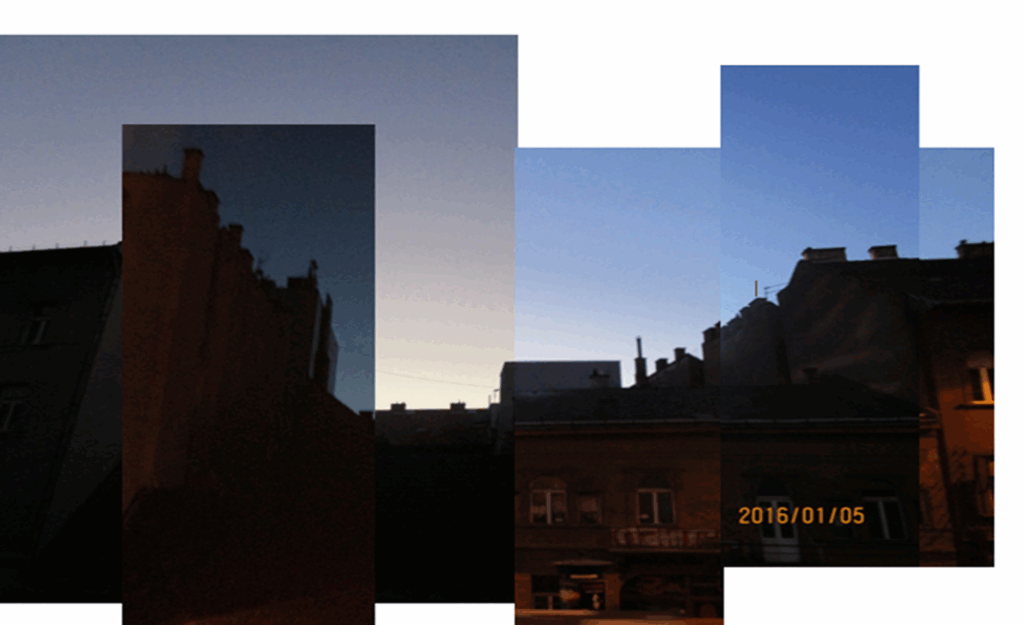
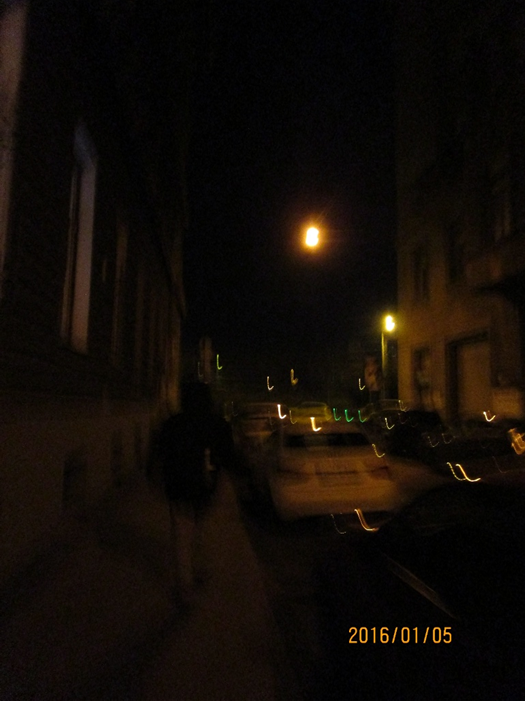
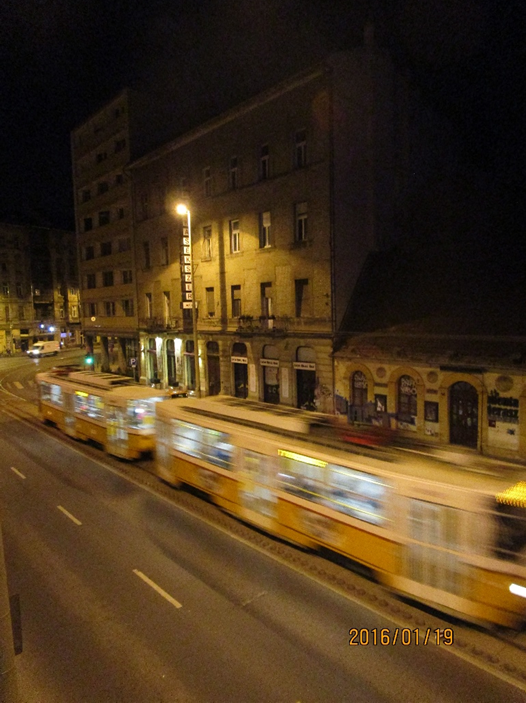
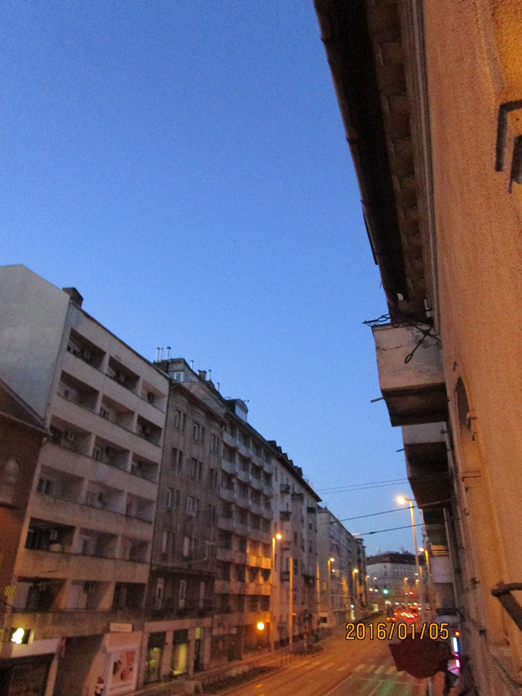
Golden orbs of light hang suspended above a sleepy city. Only the tram lines, Budapest’s arteries, are pumping life through the quiet streets. Krisztián pauses on the balcony ‘this..’ he takes a breath in and looks out ‘is my audience for the night’. Its 3am on a Wednesday morning, Negative 5 degrees outside and you think everyone is asleep, but you hear sound pulsating from an unremarkable two-story building. A small balcony hangs over the road alerting you to the hidden world inscribed behind its sandstone blocks. Outside people lean over the curled metal railing, blowing smoke into a hazy night, chasing dawn down the road. The music they are listening to is Tilos, the song currently playing is Waveform by Drifter, a 7-minute track strategically programmed to coincide with a smoke break. Chimes suddenly start ringing – the timer has gone off and Krisztián dashes back inside to get the next track ready. We are about halfway through his radio show, Platypus is its name. DISTURBING THE COMFORTABLE, COMFORTING THE DISTURBED is what it aims to do.
Tilos is a Hungarian word that means forbidden. You will see it around the city, TILOS A DOHANYZAS – ‘no smoking’, PARKOLNI ES MEGALLINI TILOS – ‘no parking’. Budapest invites the inquisitive, those who seek the forbidden. Once you notice it , you will start seeing it everywhere. In Hungary the forbidden found me on a Saturday night at a place called ‘Edith’, a red toned night club that ‘David lynch would have loved’. Named after Edith Pilaf the famous French singer it is a place that attracts people who are attracted to good music. The upstairs is deceptively subdued, luring you in with its candle lit tables and velvet curtains, tucked in the corner is a staircase that takes you down, down to the underground, where the bass is low and people are high on the ecstasy of a good time. It was while dancing in this basement that someone leans over and speaks to me in Hungarian, sorry only English I say, ‘ahhh no problem I was just asking if you wanted to smoke?’. Im Gábor, he says and this is my friend Krisztián. We head outside and climb through some construction work to find a spot away from the entrance, after the introductions are over, they discuss the merits of lugging a broken door back home to repurpose into a table; after not coming to a conclusion, they pick an easier subject – music.
Krisztiáns love for music comes out through the way he talks. Speaking in song his words form the lyrics of a performance that has you captivated from the moment he opens his mouth. After working in the music industry for over 30 years he knows what he is talking about. The DJs playing that night had been selected by a local radio station called Tilos. Breaks in Beats Vol 3 was a curated event reminiscent of Budapest’s club scene during the early 2000s. At the turn of the millennium a riot of broken beats, drum and bass, and jungle was pulsating from the underground, that UK sound had finally spilled over into Eastern Europe. Hints of this subversive scene could be found in the various flyers that drifted around the city’s streets, displayed on Edith’s walls were hundreds of these paper portals, transporting you through time into Budapest’s past. ‘I was there’ Krisztián tells me and as we walk inside he points at a little blue flyer, ‘Krisztián’ is written in white italics , ‘that’s me’. Festivals for crowds of thousands, secretive clubs that you have to know about to find, illegal radio stations hidden in apartment blocks, some random persons kitchen at an afterparty. Krisztián has played in all kinds of places for all kinds of people.
After the DJs had finished in Edith, we find ourselves navigating the city on our way to one of these locations – an afterparty. Stalking the night reveals a side of the city that you don’t always see illuminated in the light of day, the darkness exposing a skeleton of its past life. We were walking along when Krisztián suddenly stops on the corner of a street, ‘I’ve been in there’ he says pointing to a beautiful old building etched with pediments. This pet store was once the base of Tilos, Hungary’s own underground radio station. But when it stated Tilos didn’t broadcast from only one place – the rooftop of a building, tucked away in a ten-storey tenement, hidden behind the back doors of a van. It was a pirate radio station floating on the city’s airwaves, address: undetermined. During the 1990s they were a tiny drop amongst a sea of state media, as illegal operators all their content was tilos/forbidden. The creators were forced to use radios subversive nature to bypass government censorship, a scanner made by Dutch squatters allowed broadcasters to eavesdrop on the police who were always on the search for pirates. This is the history of pirate radio, constantly innovating out fear that one day the ship could become capsized and swallowed by the rising sea. Tilos managed to stay afloat and to this day it remains independent, non-commercial, and completely nonprofit, standing strong in its frequencies despite decades of disruption. When it first started broadcasting the air in Hungary was different. The rise of the 90s and change of the regime created a new wave of optimism, this was a time for hope. Written all over the city were visions of a different world, one where people could express themselves freely.
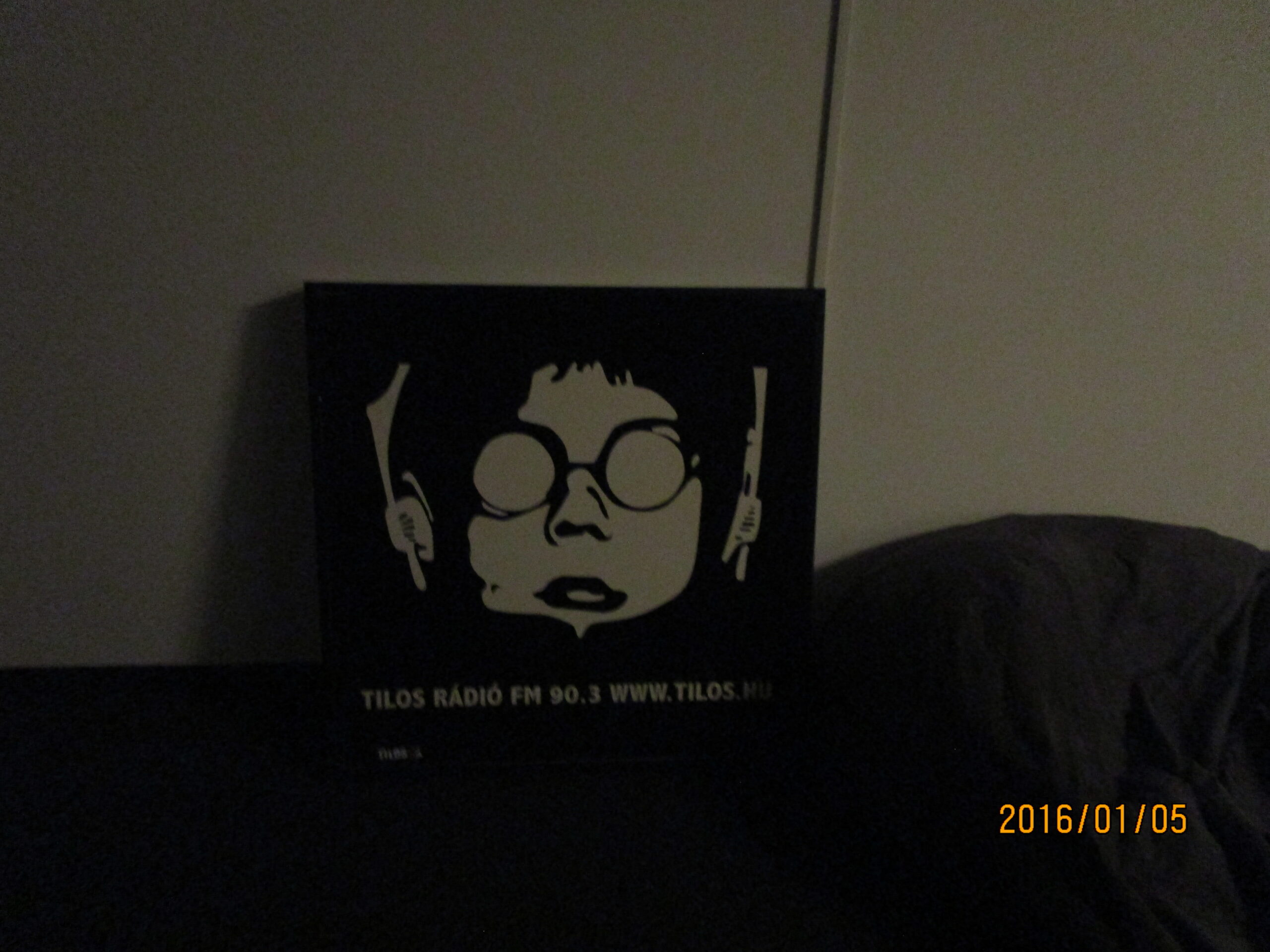
In Winnie the Poo you will notice a sign next to Piglets beech tree house that reads “Trespassers w…” will be persecuted? shot? Sentenced? In Tilos az Á, (Trespassers W in English) they will be invited. In the early 1990s this cultural institution was a cornerstone of Budapest’s emerging art and music scene, remnants of its impact can still be heard today. Crossing through the door of Tilos az Á you would find an interwoven web of alternative folk hatching various ideas. It was a space that invited rebels, lefties, activists, minorities, music lovers, people who were used to not only testing the boundaries but trespassing beyond them. Nestled between the fall of communism and the emergence of capitalism, Tilos az Á’s opening coincided with a celebration of Budapest’s new found freedom. Founder Vladimir Németh, or Vova as he is known, explains how in the 80s ‘There were a couple of clubs where you could catch alternative music concerts, but we really couldn’t find a good place for ourselves’. In need of a place that met their new cultural expectations the youth of Budapest created one. Within only 6 years this small venue managed to become a large part of the city’s heritage. In defiance of American consumerism Tilos az Á was famous for not having Coca-Cola products or Marlboro. However, in the mid90s the air started getting thinner, it was becoming harder to breathe new ideas under the emerging economic order. Hope was becoming replaced by cynicism and this had a stifling effect on places that promoted alternative views. Vova notes that ‘Looking back, Tilos az Á needed the euphoric atmosphere after the regime change’ for its existence ‘As soon as that passed, Tilos az Á also closed its doors’. While the venue no longer exists, the culture survives through Tilos , a radio station created in this pocket of Budapest’s underground scene. Tilos took peoples new ideas and broadcasted them through the air waves into the future. It was in this future that I met Krisztián, someone who also got to witness its past.
The most important ingredient for any after’s is music, the good feeling will soon follow. I remember arriving at the party and once we had poured drinks, unpacked ourselves and started rolling I handed Krisztián my phone so he could put a song on. He looked at Spotify the same way I would look at a tape recorder– as if it had just descended from outer space. Navigating the celestial world that music now occupies can be a difficult endeavor, especially when you grew up in a time where music was more tangible. Vinyl stores didn’t have foreclosed signs on them, you would record radio shows on tape players and make mixtapes for your friends, CDs were the latest innovation in the way people listened to music. This is the world Krisztián discovered music in, the reality he tries to capture despite living in the digital age. These days music is an online file, that you listen to while walking to work, on the bus, cleaning the kitchen, its rare that we sit down and intentionally listen to music. But at this after’s on a random Sunday morning, with two people I had met that night in Budapest, this is exactly what we were doing.
Around 8am Krisztián interjects the music to pull out a little round container from his backpack, opening it reveals a miniature world of fantastical sweets. Licorice shaped like mermaid’s tails, cats paws, gummy bears, and toffee from the other side of Europe. Krisztián’s eccentricities are totally his own, some of them can be written about others only heard. When diving into an explanation he will sit up like a conductor, getting ready to take you through a musical examination. Listening to music with him is a lesson in sound and its creation. He talks with perfectly, timed, pauses, allowing space to grow in between his words so you can get lost in the lyricism of them. For him every song has a story. Sometimes it’s about the place it was made, or the people who created it, how he found it or why he wants to forget it.
Unfortunately, music is losing the memories attached to it. The expanding digital sphere is suffocating our ability to imbed memory into sound. People once gave us records, we would buy the album of our favorite band after seeing them live, you would go see a DJ and ask for their track list. Music had people and places imbedded in it, now we unconsciously click on Spotify or shazam. Krisztián got to witness this change first hand. In the 2000s he worked in London for shazam, categorizing songs based on genre. As someone who is a punk but grew up listening to hip-hop, he knows a few things about what makes songs sound a certain way. His father moved the family from Germany to California in the 1980s after getting a job teaching people how to ride motorbikes, coming from a background in speedway, he understood what it takes to go fast. Speedway is a motorcycle sport that involves riders racing around a track on a specialist machine that has one gear and no break, it invites those who live in the fast lane. Unfortunately, Christan’s father could not keep up his pace off the track, losing his job after only three months. The American dream never became a reality and the family was forced to move into the outer suburbs. Ten-year-old Krisztián was ‘the white kid’ in town, a minority within a minority, he understood what it was like to live among the fringes of society, he could listen to stories about its harsh existence everywhere. In the mid 1980s growing up out of California’s suburban jungle was hip-hop. Krisztián could hear it while walking down the concrete streets, catch drifts of it from car stereos and homemade sound systems, listen to it in the park where he would go to play football after school. Music wasn’t just a downloadable mp3 but a memory.
This the feeling Krisztián evokes with his radio show. Do you plan it before? I ask him on the way to Tilos where he was scheduled to play the graveyard shift from 3:30-5am. ‘Some of it’. I will practice with a few songs, but it is very influenced by my night and how I am feeling in the moment’. If you listen to his mix closely it reads like a letter, describing the day before, infused with little snippets of conversations or references to music we played. One night we were exchanging stories about the various punk scenes we used to be in, despite our different cultural backgrounds, mosh pits (pogό’s in Hungarian) were one consistency. Krisztián turns to me and says ‘I’m gonna have to play some obscure punk songs now’. His mind is a beautiful sponge soaking up its surrounds and then ringing them out in his radio show, this means every mix is entirely unique both in the way it is created and how people respond to it. Before arriving for his first show, Krisztián prepared us ‘it’s not going to be duf duf party music’ instead he draws a gradually ascending sound wave with his hand that ends in a flourish. ‘I will take you on a journey that starts slow and builds itself up’.
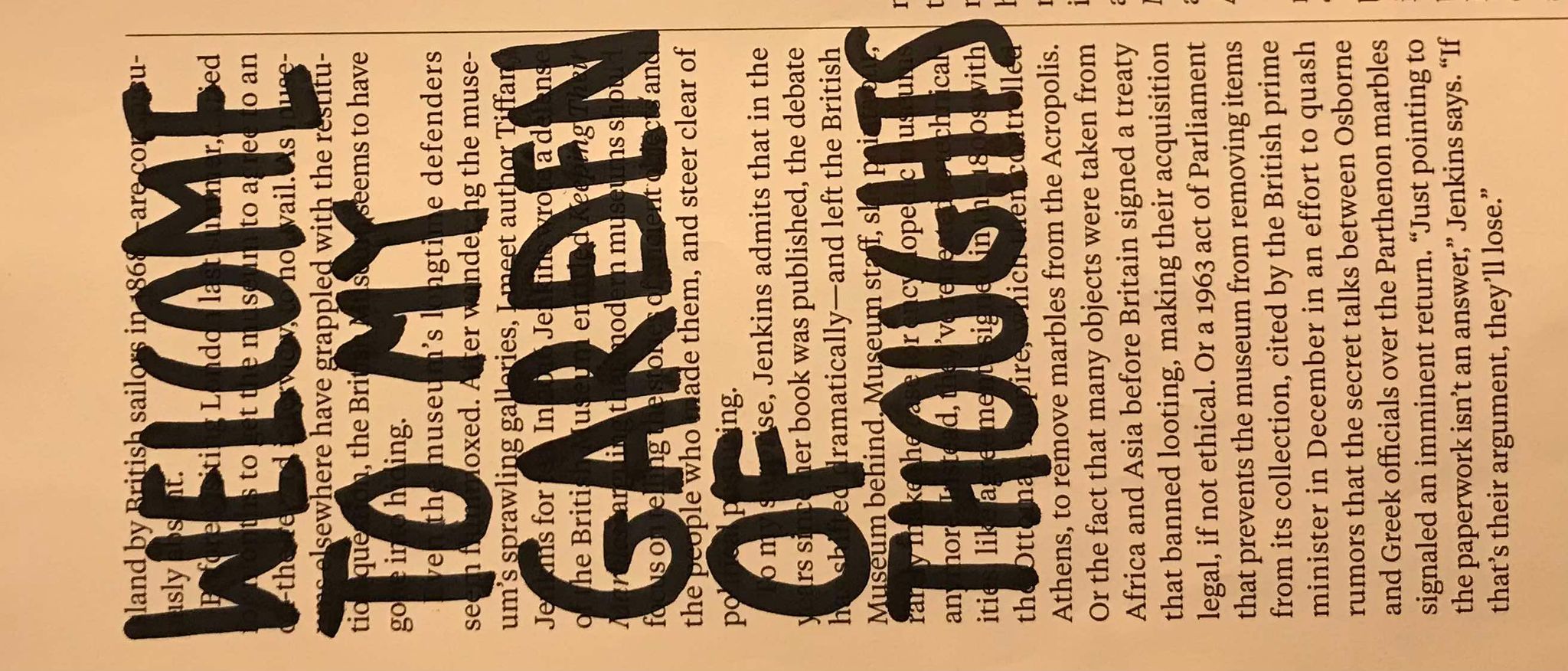
One day I asked Krisztián what his favourite mode of transportation is and he replied ‘motorbike of course. But I don’t ride one because I haven’t got a license’ and never will, explaining that when you are driving you are not fully in control. As a person who values his autonomy and has been totally independent from a young age the thrill of driving never appealed to him, and to this day you will still find him catching public transport everywhere. This wasn’t viewed as an inconvenience until he started getting stopped by the police. Krisztián once had dreadlocks that fell below his knees and an attitude that invited the attention of the authorities. While he still has the same air of defiance the dread locks have gone and the drug searches have become less frequent, yet he continues to hide his elicits whenever he goes out. Krisztián tells me he has three loves in life; music, women, and sport. Sport was his first love and he would carry a paper around with him everywhere. Between its sport encoded pages he discovered the perfect place to hide the forbidden.
Hiding was a key requirement of pirate radio. ‘Radio is my bomb’ reads a pamphlet from the late 80s, a DIY manual for pirates. The title is taken from a quote by Chantal Paternostre, a Belgian anarchist from an illegal radio who was arrested in 1985 and reportedly answered ‘radio is my bomb’ to charges of arson and bombing. After more than a year, most of which was in solitary confinement, the charges were dropped and she was released. The pamphlet named after this quote was a manifesto of the free radio movement, drawn within its pages is a radical map that will lead you to an incredible bounty, the treasure of knowing how to start your own illegal station. Radio’s history is the history of the fight by everyday people to gain access to the airwaves, a public sphere for the proletariat, the early stations were not just about the music, but the people who shared it, creating a rich community that used radio to find their voice and amplify it across the city. Who plays before you? I asked Krisztián when we entered the Tilos studio where there was music playing but no one playing it. ‘It’s a girl who plays Drum and Bass I’ve never met, she sends her mix in’ he says disapprovingly. ‘It not what radio is , if she lived in Alaska maybe I would understand’ he motions to us ‘radio should be about meeting people and making connections’. Despite living an hour away and playing the early, early morning show Krisztián always shows up.
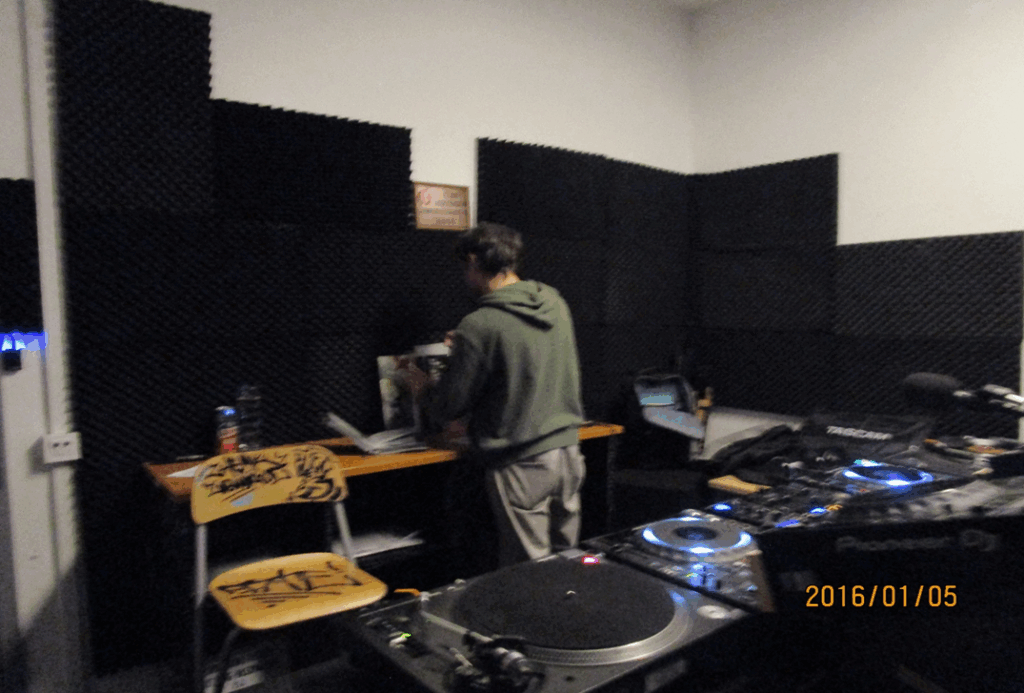
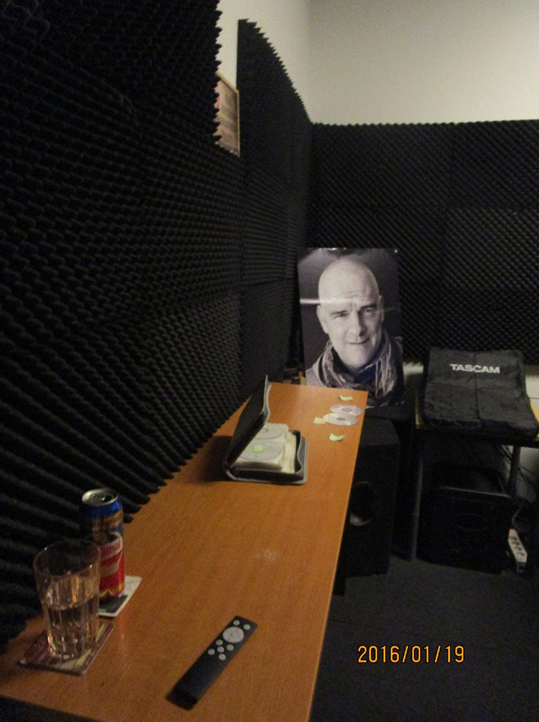
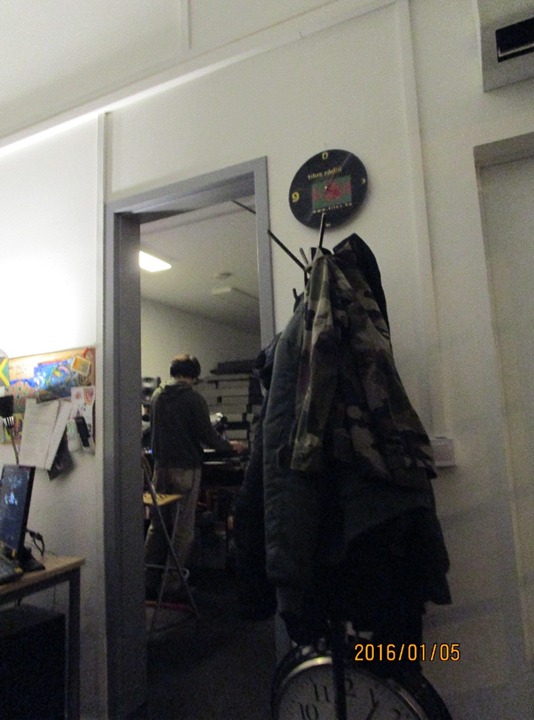
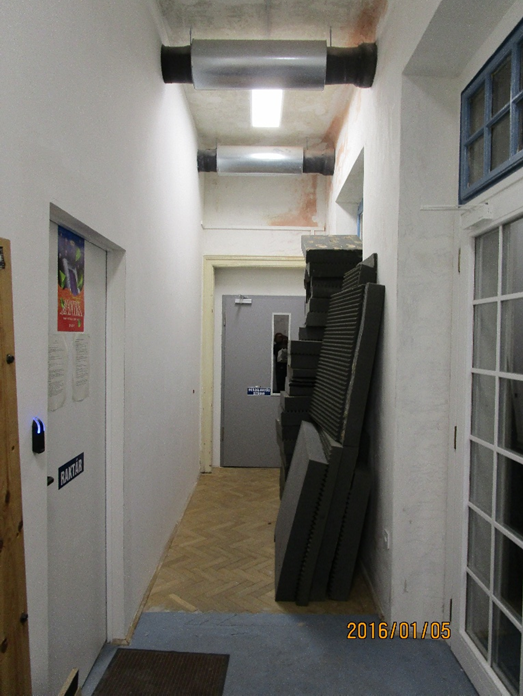
Tilos has recently moved location to the Buda side of the city. Sound proofing is stacked in the hallway, cardboard boxes block doors and scattered around the studio are little postcards from the stations past. ‘like Tilos my show is also under construction’ Krisztián explains. Why is it called platypus I ask? ‘Because it’s an obscure animal and I play strange music’. They call it kacsacsőrű emlős in Hungarian, a mammal that lays eggs, males who have venomous barbs, a bizarre blend of otter, reptile, and bird. Like Krisztián and his show, the platypus defies any form of labelling. Many would classify him as ‘old school’, LPs and CDs are his USB, but once you get to know him you realise that Krisztián has an understanding of music that extends into the modern. His set often starts with the warm crackle of a record spinning into life , a textual sound that comes from years of use. Like a monster waking up from a deep slumber his show shakes itself into life.
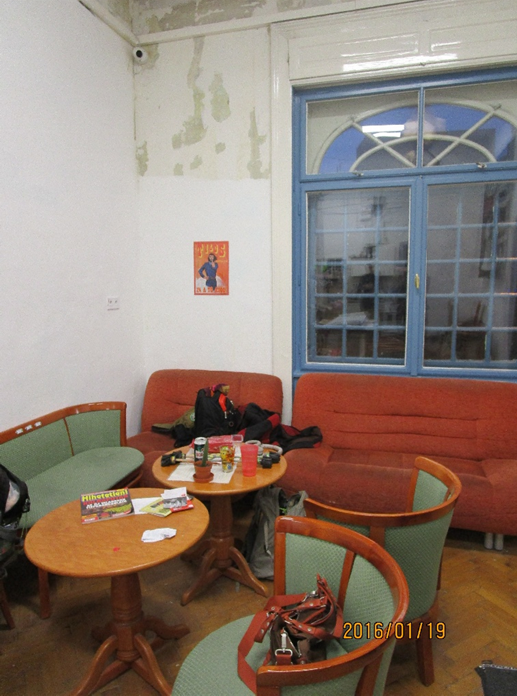
People who are drawn to radio often have something to say even if they don’t speak at all. We were sitting in the studio waiting for Krisztián to introduce his show, Coldcut – Music 4 No Musicians, had been playing for a couple of minutes. ‘I always get nervous’ he says, ‘it doesn’t matter how many people are here or how many times I do it I still feel …’ and does a little shake. Taking a deep breathe he pulls the mic in ‘Good dawn….. Again dawn, good dawn. Listening to Tilos radio, 90.3fm. Platypus show playing. Ony music’. Only music, because music doesn’t always need an explanation. What genre is this? I would often ask Krisztián. After answering a few times, he eventually replies ‘you need to stop thinking about genre’, It expects music to fit into a box and sometimes sound should remind undefined. He recommends that I ‘think about it according to how it makes me feel’. ‘Mi van?’ (whatsup) Gábor asks him one night before his show. Krisztián looked unsettled. ‘I have butterflies’ he replies. But they are a good kind of butterflies, ones that come to Krisztián before every set. He says that if he feels nervous before he knows he is doing the right thing. If one day the butterflies stop flapping, he will stop playing.
It’s incredible how quickly silence can turn into sound. It was 5am, Krisztián had finished his show and the city was slowly stretching itself awake. The trams were pumping early commuters around the streets, garbage trucks lined the roads cleaning rubbish away from the night before and birds nosily greeted the rising sun. We were standing outside discussing the show and Krisztián suddenly turns to us with a flare of sentimentality ‘for my first two shows I was totally alone. Me myself and I, Even the sound teck wasn’t around’ but then we started coming to his show and ‘it was happening again, radio started feeling how it use too’. In a world of Spotify playlists and artificial algorithms we need to start reimaging music through feeling. Where were you when you found that song? Who was there? I will always remember Budapest through the music I’ve found here, the songs people haven shown me, a soundtrack to my musical awakening. Associating memories with music means you will never forget a song, the beat of life will keep pace with your expanding symposium of sound.